
efaardvark
-
Posts
3,069 -
Joined
-
Last visited
-
Days Won
248
Content Type
Profiles
Forums
Blogs
Everything posted by efaardvark
-
thought you might like...
-

Thank you for sharing that. The Big Boy is such an amazingly impressive loco and I just love that whistle, 2102 is a nice loco as well. I'm amazed at the antics of the railfans at the start of the video, standing in the 4 foot and wandering all over the tracks with the train approaching, try doing that in the UK and it's a £1000 fine for trespassing on the railway and all trains would be stopped until the line was cleared again.
-
-
The Sulfur caves biome is here....
-
Snack time!

-
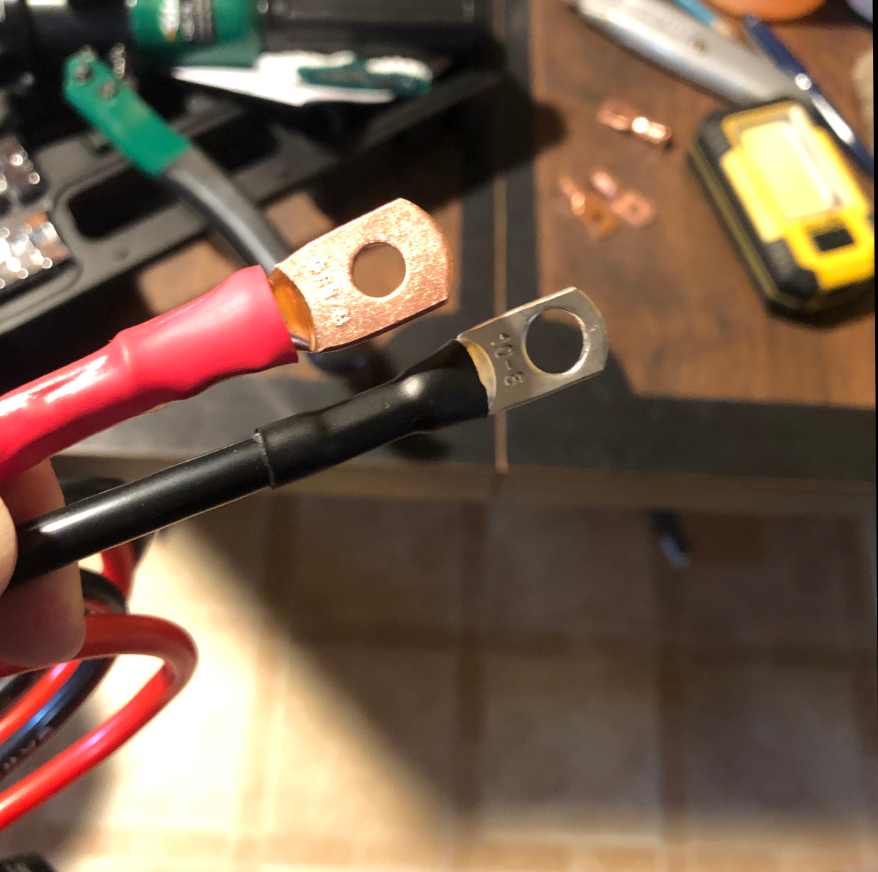
Got a new set of battery cables for one of my solar batteries the other day but I don't like the connectors on them. The ones that came on the cable are aluminum and the bolt hole is too large for the battery's terminal bolts. As a result the metal around the hole - the part that actually connects with the battery terminal and carries the power - is too thin for my comfort. So I'm replacing the lugs on the cable with ones that are a bit more substantial. Mine are solid copper and larger overall but with a bolt hole of the proper size for the battery's bolts. More importantly the surface area for contact with the battery terminal is much greater. The same power going through more metal means less resistive heating and a cooler connection.
-
101F here today. Hope it's cooler tomorrow. I have outside work that I was planning on doing this weekend.
-
Egg and cheese sandwich on toast for lunch. I might have put a bit too much Tapatío on it though.
-
I posted a few weeks ago about putting the CachyOS Linux distro on my new computer build. It's still there but this morning I discovered the AUR has been infested with malware. The malware appears to be targeting older, abandoned software packages and does not appear to be affecting binaries, only source-code. The malware is going after unmaintained software by basically applying to be the new maintainer of the software, then adding new code to gather information via keylogging or other means once the "updated" software gets installed on end-users' systems. This means PKGBUILDs of AUR software should be done with caution, but updates of well-maintained packages and their binaries should still be ok. So far several hundred software packages have been affected. That sounds like a large number but there's over 100,000 software packages in the AUR in total so it's really just a fraction of 1%, and as I said it appears to be unmaintained packages that are being targeted. Commonly used software usually does not have much trouble finding people to be maintainers so to be affected it sounds like you would have to have been a user of a little-used piece of software that has lost its maintainer. Assuming you still have the software installed you would presumably get an automatic notice of an "upgrade" to that software from the new "maintainer" (probably an AI agent) and if you went ahead and upgraded you would then be downloading and installing the malware on your system. Note this is still something of an ongoing event so I may not be correctly describing the situation but that's how it appears to me at the moment. The best source I've found so far for keeping up with info on this attack is this AUR list thread, including this message containing a list of possibly affected packages. For those unfamiliar with Linux, the AUR is the Arch User Repository, a collection of software source code collected and maintained by / for users of "Arch" (and Arch-based) Linux distros. "Arch" is a linux distribution ("distro") that allows linux users to build their own system from the ground up. Arch starts with a minimal install of the kernel and utilities required to get a bootable and basically functional system going and then allows users to add their own bits of software to customize it for their own needs. Often a lot of that added customization comes from software contained in the AUR. Arch-derived distros - such as the CachyOS that I'm using - provide the next level of functional build. In the case of Cachy that would be a system tuned for hardware performance, such as for gaming or computing throughput. Ideally in a user-friendly and system-oriented way that doesn't necessarily require users to be command-line gurus or concern themselves with inter-package software interactions. Though a little user knowledge about what's going on on their computer is never a bad thing either.
-
I went to the aquarium this weekend, but I couldn't shake a bad feeling I had there. There’s just something fishy about that place. I'd love to have kids one day. But that's as long as I can handle them. What did sushi A say to sushi B? Wasabi!
-
put a little too much hot sauce in my cup noodles this evening.
-
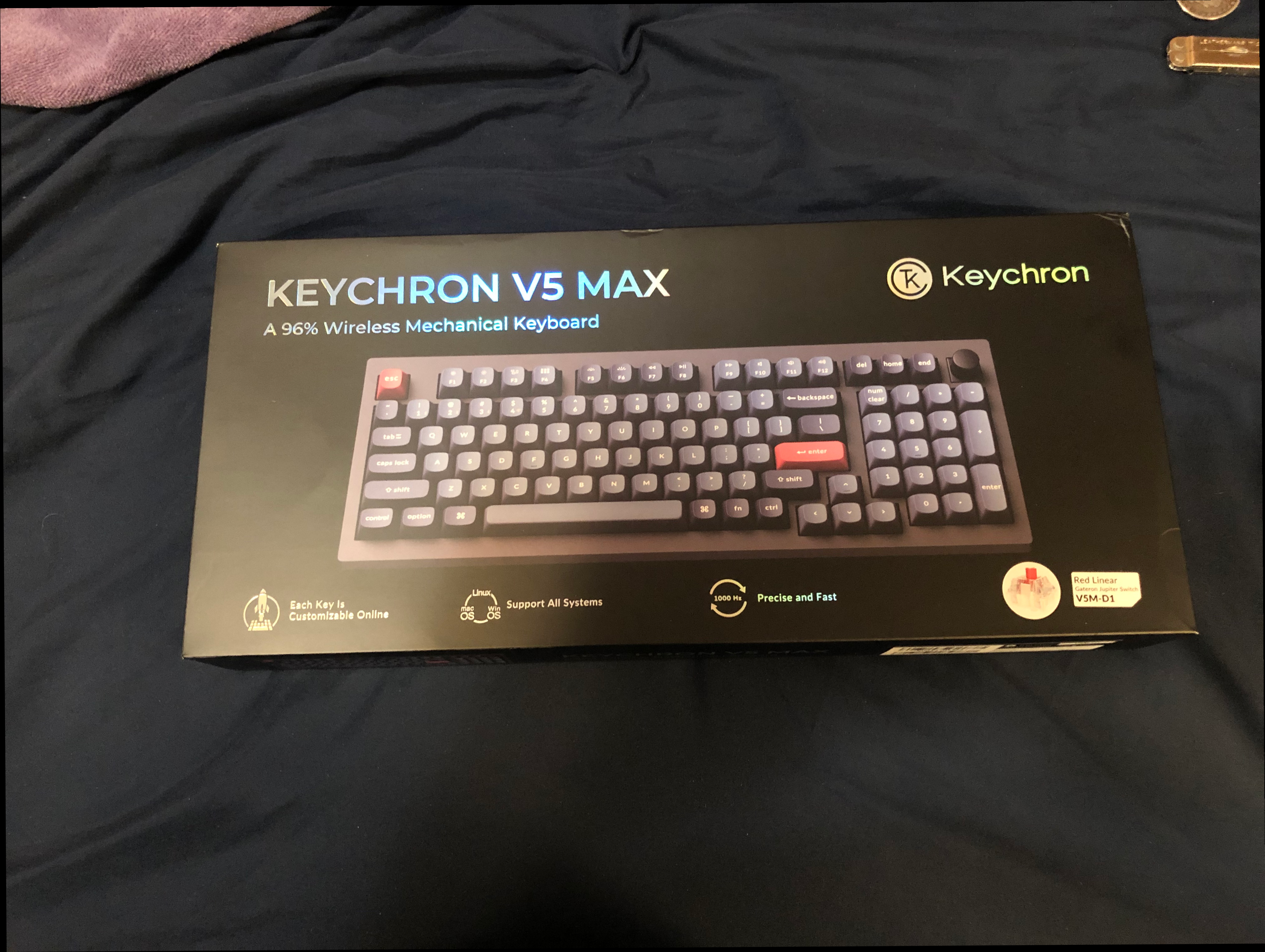
.. and I'm already looking at replacing the default keycaps that came with it. Looking for a set that has both "english" (roman) and kana on it. Haven't quite decided yet but something like these: I still need to find an "option" key that has the Tux mascot on it too. Might have to resort to someplace like etsy.
-

Is it true there is mass lay off going on cause of AI?
efaardvark replied to Philippine Big Boar's topic in Chit Chat
I've lived through a couple major tech changes in my life. Nuclear power was I think the first. It was going to not only put the coal and oil companies out of business but it was going to make electricity too cheap to bother charging for and even allow us to colonize outer space. Didn't quite work out that way. The next was the internet and especially fiber optic cable. Investors gave companies like Cisco huge amounts of money. They used all of it - and even borrowed huge additional amounts - to build and install high-tech routers and lay all the fiber optic cable that was expected to be needed. Everyone was going to have gigabits of bandwidth and again it was goin gto be too cheap to meter. Information would be instantaneous and everyone would know exactly what's going on everywhere at all times. Everyone would understand everyone else and all the troubles caused by politics and religion would disappear. That didn't quite happen either. Cisco's stock only recently recovered to the level that it had before the dot-com bust. Politics is still a cesspit of corruption and ambition. If anything it is worse than before. Now we have AI. Clearly it is disruptive in the short term. Investors are throwing huge amounts of money at AI companies. The companies are spending it all and taking on huge amounts of additional debt to be the first to corner the market on AI. (Stop me if you've heard this story before.) Companies are laying off employees and swapping in AI to take over their jobs. Bureaucratic / clerical errors will be a thing of the past and we'll all have free access to AI robots to do our laundry and wash the dishes. But for now the AI companies are finding that those loans will have to be repaid. The investors want a return on their investment too. (Funny how that all works.) They're switching to charging for tokens instead of taking subscriptions. Tokenization is indeed making more money for the AI companies, but the flip side of that is that it is making things much more expensive for the AI users. So much so that some companies are finding it cheaper to re-hire humans. A lot of the early AI output is crap too. The term "AI slop" is a term that has entered the industry vernacular. I'm still doing my own laundry and washing my own dishes. I think it is still way too early to say how AI will turn out. There's a lot of work that humans don't want to do that can be done cheaply and efficiently by Ai. That should reduce the price of goods and services. We've already seen some of that in previous decades with industrial robots displacing blue-collar factory jobs. AI just kind of takes that to the next level by allowing the automation into the white collar office worker jobs. That sucks if you're the worker that gets displaced, but worldwide demographics being what they are it may work out for the best in the future as populations age out and (skilled) worker shortages become more common. Provided that "AI slop" thing can be worked out and someone can figure out a way to make AI profitable of course. Who knows? If AI isn't a complete scam then maybe we'll even get a cure for cancer out of it when all is said and done. -
Got a nice new keyboard to replace my 3rd Logitech K800. I don't know if it's me or Logitech but the first one I broke 2 keys within the first year and on the other two the (proprietary, built-in) battery failed. Time for something else. This one is a bit expensive - though still cheaper than a k800, never mind 3 - and has replaceable keys and batteries. It does wireless via either BT or 2.4Ghz dongle for when I want to be lazy and compute from the couch but also works via USBC for when I need to cut down on latency for those twitch games. (And believe me, I need all the help I can get! ) I was kind of torn on which switches to get but I settled on the Red because they're less "heavy" and don't click. I don't really hate clicky. I actually do like the feel but I also prefer less noise in my life. It was a close decision. I can always swap them for Blues or Greens later if I feel the need for clickyness. The keyboard came with Apple keycaps installed on the "alt" keys and the box included standard "alt" keycaps to swap them, which I immediately did. Also included is a Windows keycap to replace the "option" key. That one I left in the box. Sadly no penguins. Gonna have to fix that oversight. Mine is a Linux system, dammit!
-
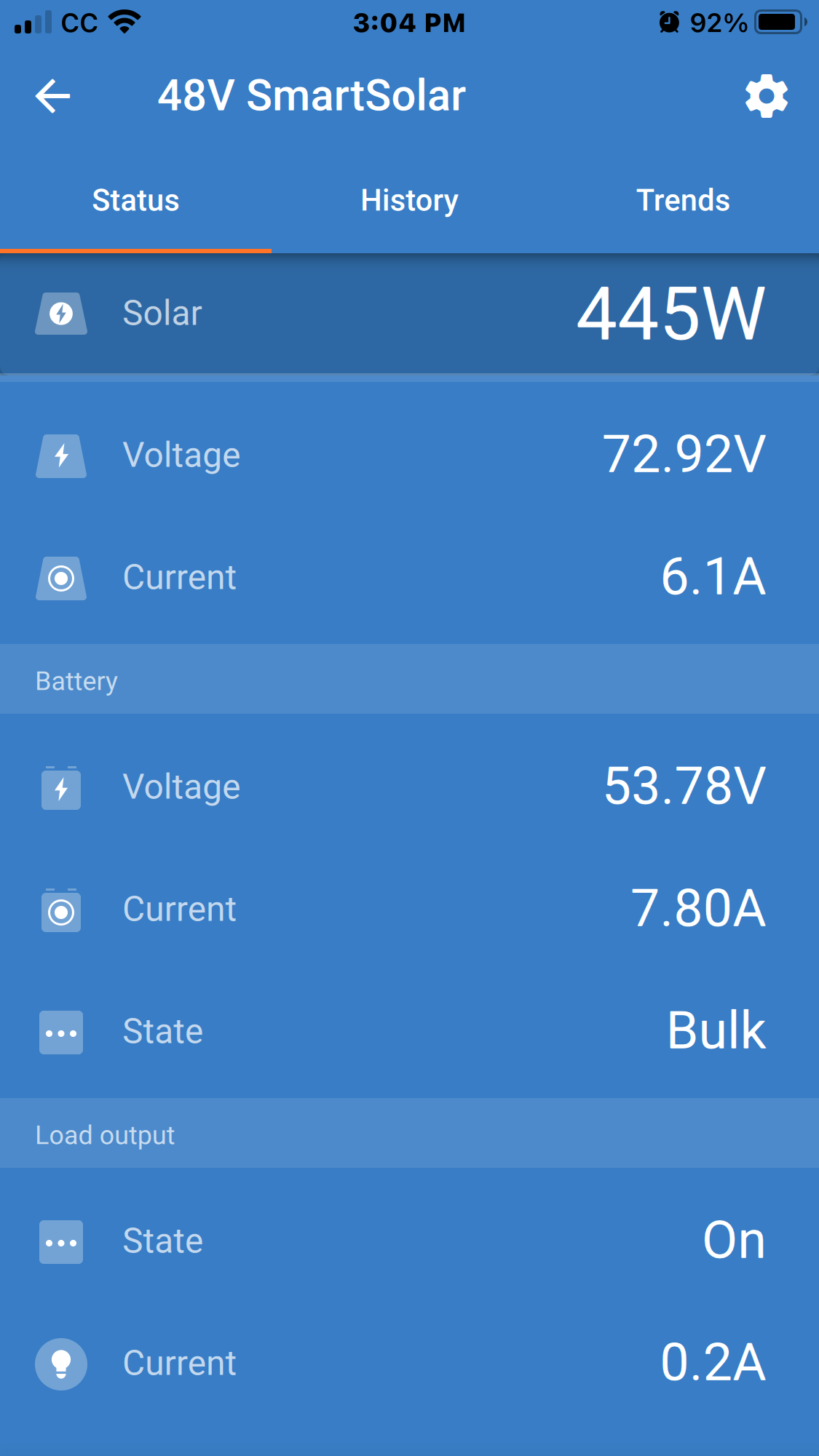
Trying to decide between "portrait" or "landscape" mode. Landscape should be better at noon and be more stable against the high winds we often get around here (and for which Edison likes to invoke unannounced PSPSs). Portrait might tip over easier but would take up less space and catch more of the afternoon & evening sun. Might go for portrait, but cut the angle so it doesn't stick up so much. Hazy day and a bit of shading due to the horrible (temporary) placement, but not bad. Working anyway.
-
-
A slightly different minecraft trailer. Somehow I never saw this one.
-
Apart from the backup power it's a bit of an experiment as well. I'm using it to test out some of the technology that's been developed since I put up the old PV system 25 years ago. I can't build or install a new system all by myself anymore but I've found over the years that things go much smoother when you can tell the contractors exactly what you want and how to do it.
-
-
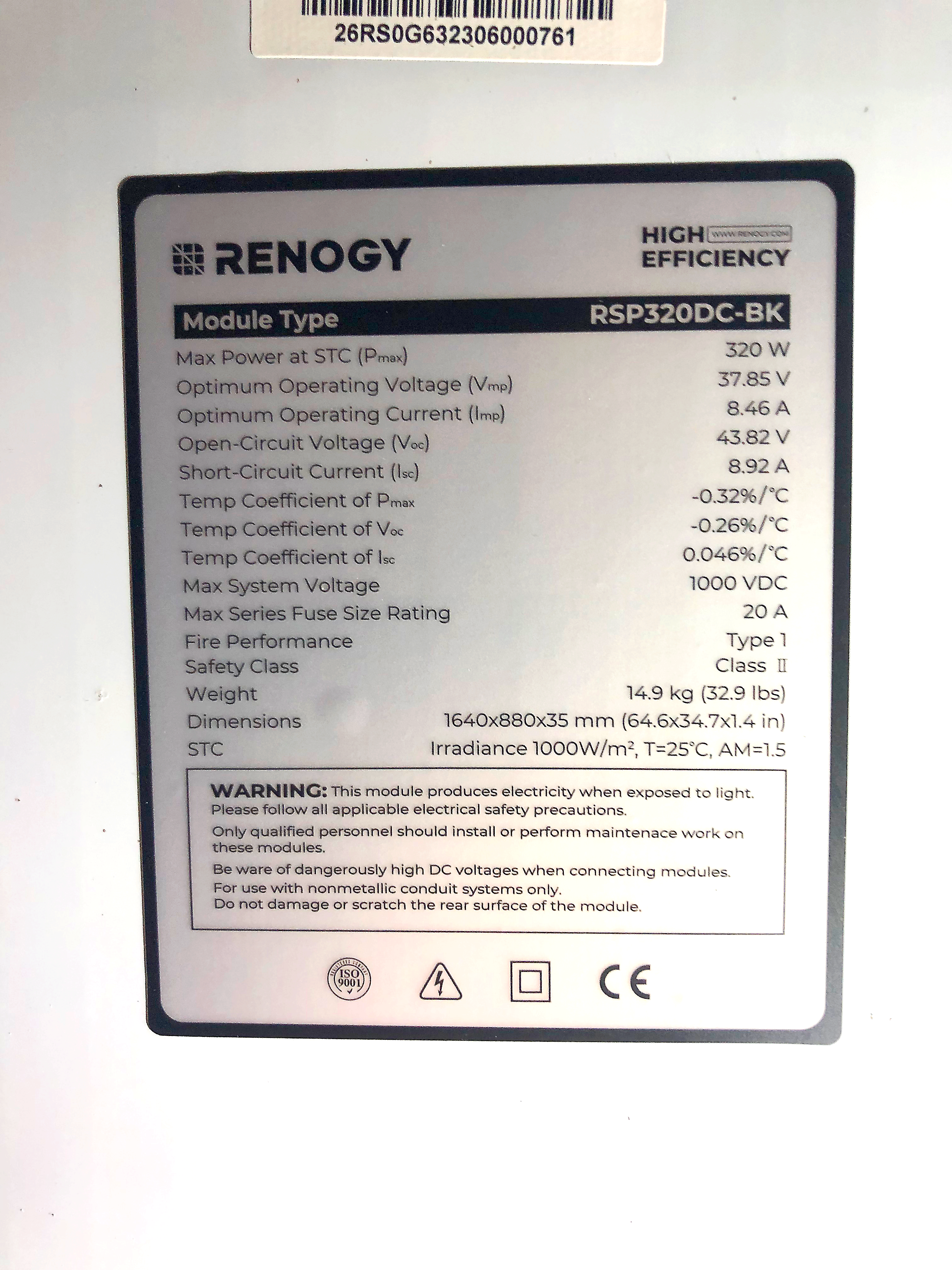
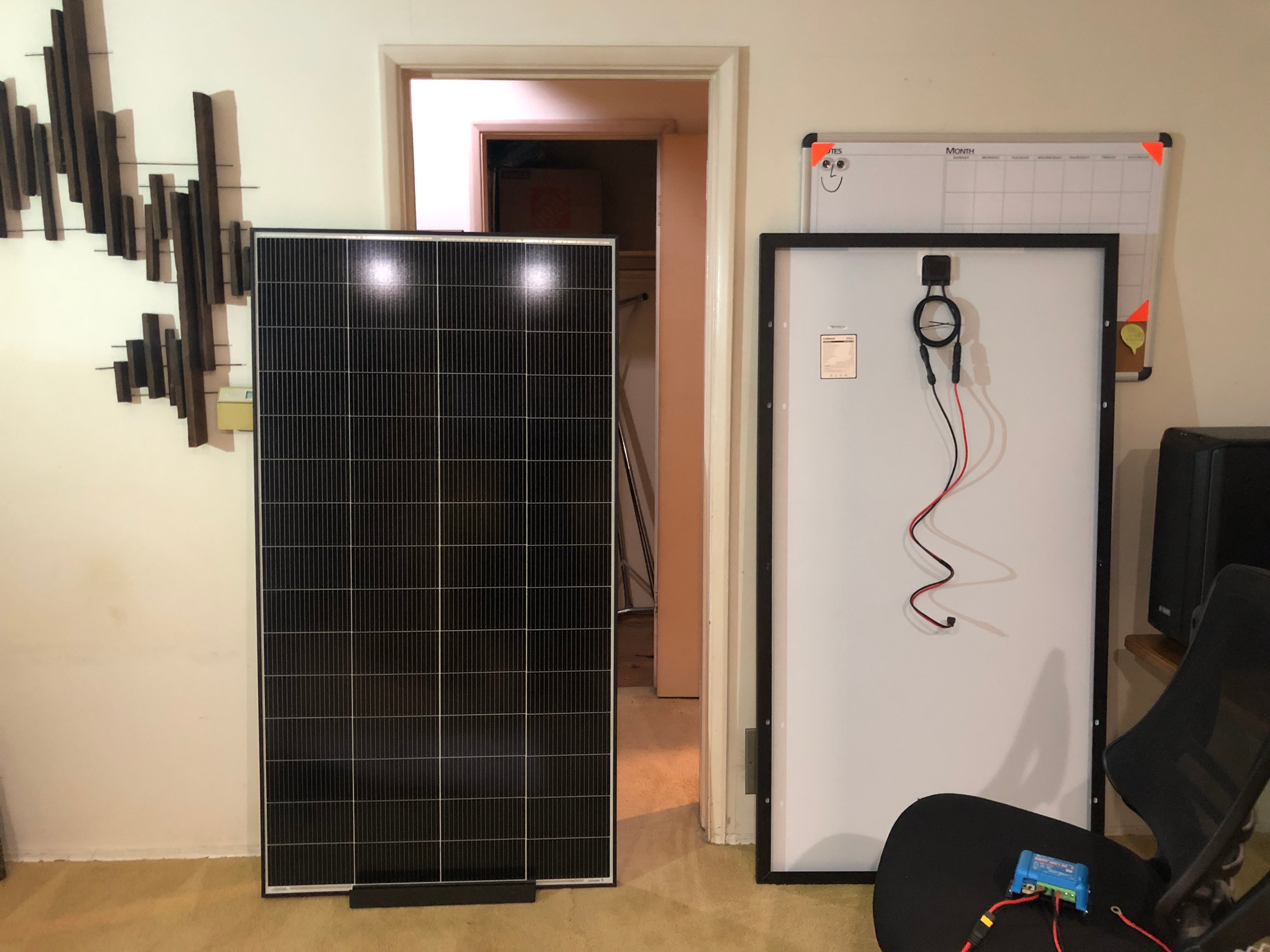
A few weeks ago I finished putting a new roof on the house. Unfortunately to do that I had to remove the solar panels that were up there. They were part of an old system that we put together way back in 2001 so time for an upgrade anyway, right? Well, after paying nearly $30k for the new roof I'm a bit low on cash so that project is going to have to wait. In the meantime I ordered a couple single panels for minimal emergency power if SoCal Edison pulls a PSPS and shuts down my power. Took delivery today. They're a bit larger than I expected but not too heavy or awkward to wrangle. The specs say they're rated at 320W each so between the 2 of them they'll generate nearly 4kWh on an average sunny day here in SoCal. Probably more like 3kWh if I'm being realistic but that's still easily enough to make the morning coffee, keep the cellphone and laptop charged, and keep the food in the refrigerator from going bad. Maybe even enough for a bit of air conditioning on particularly sunny days. I already have a charge controller, an inverter, and a 1200Wh battery that should work with the panels to provide the AC output and power overnight. I'll be wiring all the pieces together and setting the panels up on the driveway in the sun this weekend to give them a test run.
-
Welcome!
-
Note to self.. if you put something in the dryer then you probably also want to start the dryer drying.

-
This is cursed...
-
For the record, my OP (quoted by AshleyZirka) had none of the words "ferrari", "rental", or "dubai" in it.
-
Mostly smokey, with chance of fire in some places due to the "Sandy" fire.
-
The first time I saw Mimi's hair ornament I said, "brass knuckles? This oughta be interesting." Turns out....